
Start with a realistic inventory
Before buying any storage, gather everything in one place and sort it into broad groups such as bags, headwear, display pieces, and small accessories. A simple floor layout makes overlaps obvious and shows how much space each group really needs. Ask whether a piece is worn regularly, shown on a shelf, or kept for occasional use, because each role calls for different handling. Check the product listing for any care or storage details that affect placement, and keep packaging only if it has a clear purpose. Resist the urge to buy organisers before knowing the true volume. A short written list of categories and counts helps compare formats later. If an item is delicate or awkward to store, note that separately and plan around it rather than forcing it into a tight space.
Choose bags by daily routine
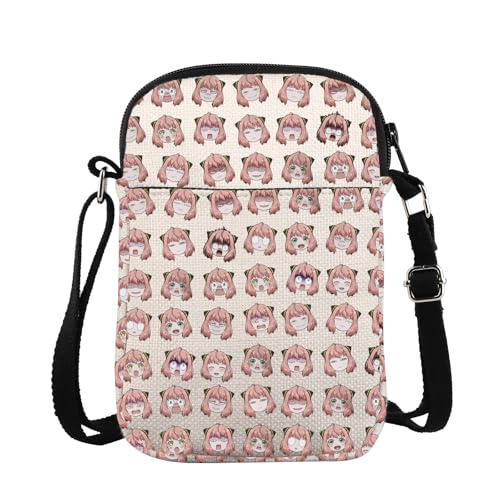
When choosing a crossbody bag, think about how it will be used rather than how it looks on a screen. Consider whether it needs to hold a phone, keys, and a small notebook, or whether it is mostly a finishing piece for conventions and meetups. Compare strap styles, closure types, and internal compartments as listed, and decide which layout suits the way items are carried. Recipient preferences matter too: someone who walks a lot may value hands-free convenience, while a collector might want something that stores flat between outings. Check the product listing for dimensions and care information before committing. If several bags are being considered, set them side by side and compare only the listed facts, not assumptions drawn from names or artwork.
Plan display around the room
Display planning starts with measuring the actual space, not guessing. Note shelf height, wall width, and how much clearance a display needs so pieces are not crowded or hidden. Group items by theme or colour so the eye moves naturally, and leave gaps rather than filling every surface. For headwear or hanging pieces, decide whether they are shown flat, on a hook, or stored away, and check the listing for any guidance that affects that choice. Lighting and dust are practical concerns too, so consider covers or enclosed storage where appropriate. Rotate displays seasonally to keep a small collection feeling fresh. Record what is currently shown and what is stored, so duplicates and gaps are easier to spot when rearranging.
Compare formats before committing
A small collection benefits from comparing formats rather than buying the first option that fits. For carry pieces, compare crossbody styles against each other using listed strap and compartment information, and decide whether one general bag or several specialised ones makes more sense. For display items, compare flat storage against upright display and think about how often each piece will be handled. Ask whether a format suits the recipient's habits, available space, and the way the collection is organised. Check the product listing where details matter, since names and images alone may not answer practical questions. Keep a short comparison note for each option so decisions are based on consistent criteria. Avoid adding formats that duplicate a role already covered well elsewhere.
Keep the system working over time
Ongoing organisation is about maintenance, not one big tidy-up. Set a simple routine such as reviewing the collection when a new piece arrives, and decide immediately where it belongs. Use labels or a written index so stored items are easy to find without unpacking everything. Keep bags emptied and aired between uses when the listing supports that, and store display pieces where they will not be knocked over. Review the layout every few months to remove anything that no longer fits the space or the recipient's interests. Before adding more, check the product listing for details that affect organisation, and compare new items against the existing system. A small collection stays manageable when every item has a clear place and a reason to be there.